2026 International Film Series
Roanoke College is pleased to present its 8th annual International Film Series, co-presented with Hollins University. This year’s theme is Education.
**All films are free and open to the public.
**All films are subtitled in English.
**All films are followed by a post-screening, panel-led discussion.
The film series is sponsored by Roanoke College, Hollins University, Roanoke Valley Sister Cities, the Grandin Theatre, and the Taubman Museum of Art. Roanoke College sponsors include the Jordan Endowment; Offices of Community Programs, Global Engagement, Marketing and Communications, and Student Engagement; Fintel Library; Center for Studying Structures of Race; programs in Languages, Sociology, Religion Studies; Anthropology, Screen Studies, and Peace & Justice Studies.
Film Screenings
-
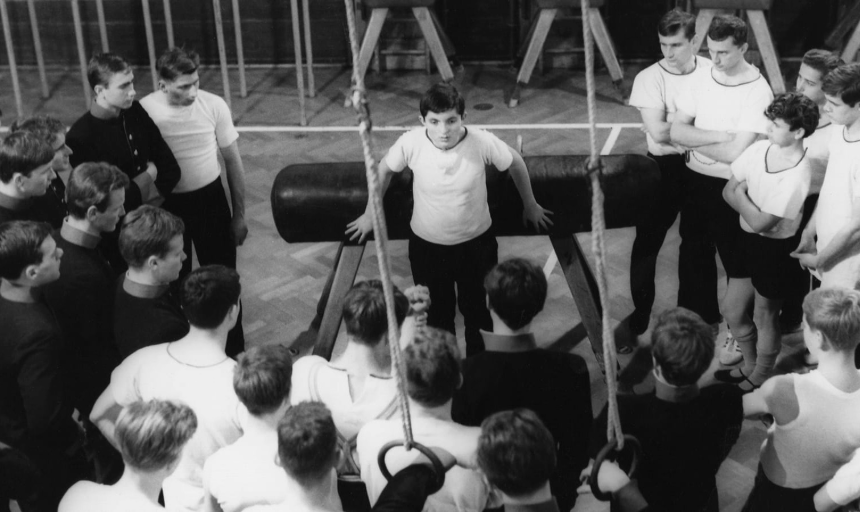
Young Törless (German)
1966, Volker Schlöndorff, Not Rated, 87 min
At an Austrian boys’ boarding school in the early 1900s, shy, intelligent Törless observes the sadistic behavior of his fellow students, doing nothing to help a victimized classmate—until the torture goes too far. Adapted from Robert Musil’s acclaimed novel, Young Törless launched the New German Cinema movement and garnered the 1966 Cannes Film Festival International Critics’ Prize for first-time director Volker Schlöndorff.
-

English Vinglish (Hindi)
2012, Gauri Shinde, Not Rated, 134 min
English Vinglish tells the heartwarming story of Shashi, a modest Indian housewife and laddoo (sweet) maker, who faces constant belittlement from her family due to her poor English, making her feel insecure; however, a trip to New York for her niece's wedding leads her to secretly enroll in an English language class, transforming her into a self-assured woman who earns respect and discovers her own worth, all while dealing with family dynamics and finding her voice. The film premiered at the 2012 Toronto International Film Festival, where it received a 5-minute standing ovation. Gauri Shinde won all of the Best Debut Director awards of that year.
-
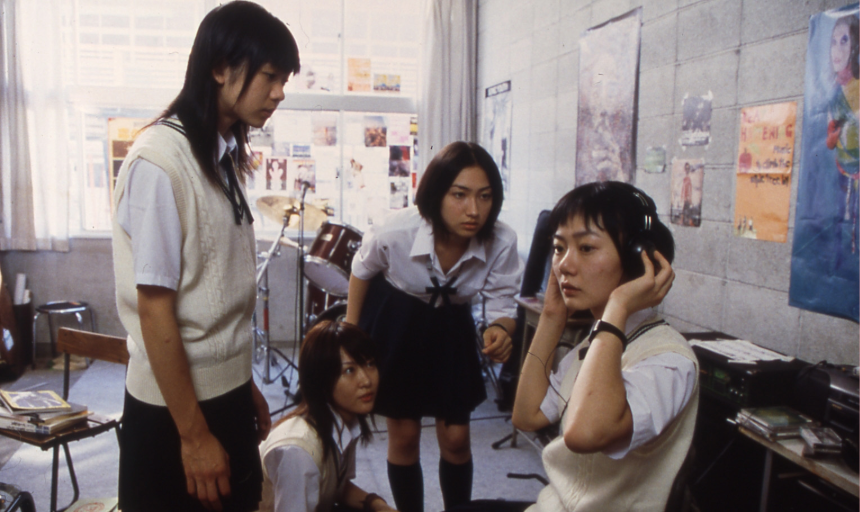
Linda Linda Linda (Japanese)
2005, Nobuhiro Yamashita, TV-PG, 114 min
Linda Linda Linda is a 2005 Japanese film about three high school girls who form a rock band for their school festival, recruiting a Korean exchange student as their singer, and racing to learn songs (including The Blue Hearts' "Linda Linda") in just three days while navigating friendship, romance, and the awkwardness of youth.
-

Bad Education (Spanish)
2004, Pedro Almodóvar, Rated R, 106 min
Pedro Almodóvar’s Bad Education stars Gael García Bernal and Fele Martínez as two long-lost friends reunited years after their traumatic experiences at a Catholic school run by a predatory priest, Father Manolo. This neo-noir, metafictional film explores themes of abuse, sexual identity, blackmail, and cinema's power to reshape reality, all woven into a nested narrative with shocking twists.
-
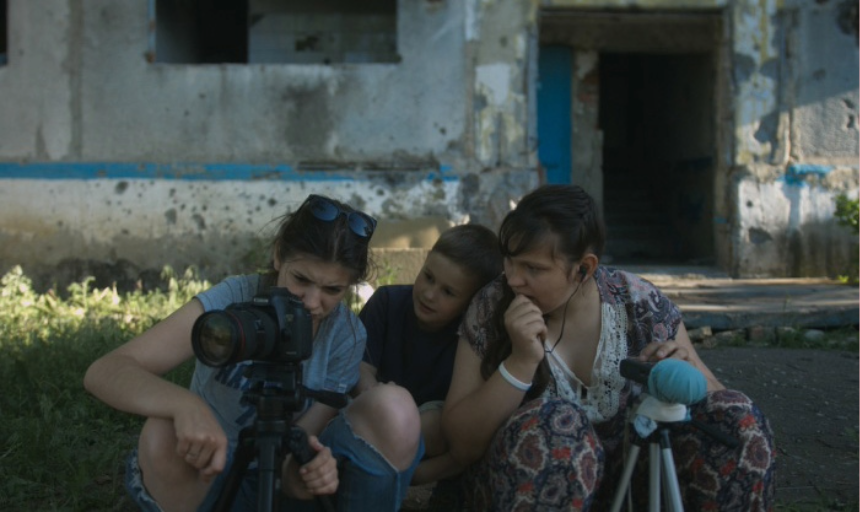
The Earth is Blue as an Orange (Russian/Ukrainian)
2020, Iryna Tsilyk, Not Rated, 74 min
Filmed in Krasnohorivka, a town on the front lines of war-torn Eastern Ukraine, this 2020 documentary follows the Trofymchuk-Gladky family. Filmmaker and poet Iryna Tsilyk is surprised by what she finds when she first visits the family's home. While the outside world is made up of bombings and chaos, single mother Anna and her four children are managing to keep their home as a safe haven, full of life and full of light. Every member of the family has a passion for cinema, so it feels natural for them to shoot a film inspired by their own life during a time of war. The creative process raises the question of what kind of impact cinema might have during times of disaster, and how to picture war through the camera’s lens. For Anna and the children, transforming trauma into a work of art is the ultimate way to stay human.
-
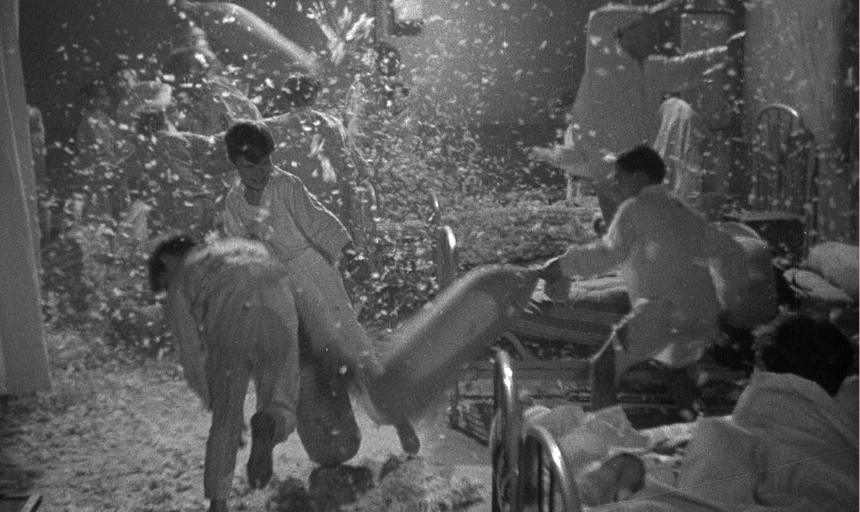
Zéro de conduite (French)
1933, Jean Vigo, Not Rated, 48 min
Four rebellious young boys at a repressive French boarding school plot and execute a revolt against their teachers and take over the school. Zéro de conduite, Jean Vigo’s enormously influential portrait of prankish boarding school students, is one of cinema’s great acts of rebellion. The film, based on the director’s own experiences as a youth, presents childhood as a time of unfettered imagination and brazen rule-flouting. It was banned in France for 12 years following its debut.
-
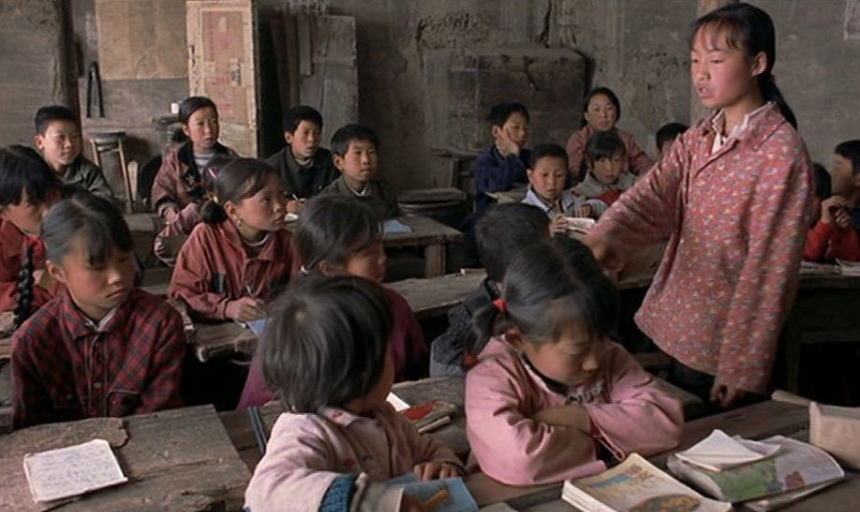
Not One Less (Chinese)
1999, Zhang Yimou, Rated G, 106 min
Set in the People's Republic of China during the 1990s, Not One Less centers on a 13-year-old substitute teacher, Wei Minzhi, in the Chinese countryside. Called in to substitute for a village teacher for one month, Wei is told not to lose any students, but one goes missing! The film won the Venice Film Festival's Golden Lion and several other awards, and Zhang won the award for best director at the Golden Rooster Awards.
-
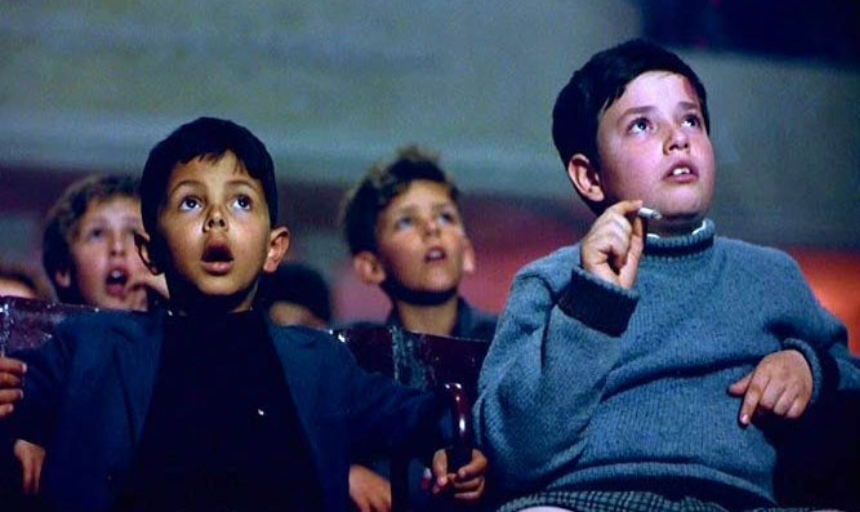
Cinema Paradiso (Italian)
1989, Giuseppe Tornatore, Rated PG, 123 min
In Cinema Paradiso, a prominent movie director returns to his Sicilian home village for the first time in many years to attend the funeral of the town's former film projectionist, who served as the filmmaker's mentor when he was a young boy. Credited with revitalizing Italy's film industry, Cinema Paradiso has been cited as one of the greatest films of all time, and a world cinema classic. It was a commercial success, and won several awards, including the Academy Award for Best Foreign Language Film and the Cannes Film Festival's Grand Prix.